EURYDICE
Lover, tell me if you can
Who's gonna buy the wedding bands?
Times being what they are
Hard and getting harder all the time
ORPHEUS
Lover, when I sing my song
All the rivers sing along
And they're gonna break their banks for me
To lay their gold around my feet
All a-flashing in the pan, all to fashion for your hand
The rivers gonna give us the wedding bands
EURYDICE
Lover, tell me, if you're able
Who's gonna lay the wedding table?
Times being what they are
Dark and getting darker all the time
ORPHEUS
Lover, when I sing my song
All the trees gonna sing along
And bend their branches down to me
To lay their fruit around my feet
The almond and the apple
And the sugar from the maple
The trees gonna lay the wedding table
EURYDICE
Lover, tell me, when we're wed
Who's gonna make the wedding bed?
Times being what they are
Hard and getting harder all the time
ORPHEUS
Lover, when I sing my song
All the birds gonna sing along
And they'll come flying round to me
To lay their feathers at my feet
And we'll lie down in eiderdown,
A pillow 'neath our heads
The birds gonna make the wedding bed
And the trees gonna lay the wedding table
And the rivers gonna give us the wedding bands
About This Song
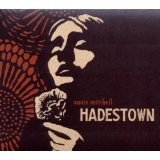
"Wedding Song" is a haunting duet that captures the tension between love and economic hardship through the voices of Eurydice and Orpheus in Mitchell's folk-opera *Hadestown*. The song explores themes of poverty, hope, and the strain that financial desperation places on romantic relationships, with Eurydice's practical concerns about affording basic wedding necessities contrasting sharply with Orpheus's dreamy promises that nature will provide for them. Mitchell's sparse, melancholic folk arrangement underscores the emotional weight of their dialogue, while the lyrics reveal the fundamental disconnect between Orpheus's artistic idealism and Eurydice's lived reality of survival. The song serves as a crucial moment in the musical, establishing the economic forces that will ultimately drive the couple apart and demonstrating how even the deepest love can be tested by material circumstances. Its intimate, conversational style makes the ancient myth feel urgently contemporary, speaking to modern anxieties about financial security and the sustainability of relationships under economic pressure.
Comments (1)