Haindling Lyrics — by Popularity
| 1 | Im Zwiebelsud |
| 2 | Ich Habe Sehnsucht |
| 3 | Telefon |
| 4 | Es Geht Wieder Auf! |
| 5 | Hallo Mein Freund! |
| 6 | Irgendwie Und Sowieso |
| 7 | Höhlenmalerei |
| 8 | Du Siehst Gut Aus! |
| 9 | Bergnot |
| 10 | Der Rote Fluß |
| 11 | Germoney |
| 12 | Indien? |
| 13 | 5⁰⁰ |
| 14 | Aosis |
| 15 | Bist du der oane |
| 16 | Donau Hymne |
| 17 | Drei Polizisten |
| 18 | Es geht nimmer raus |
| 19 | Hühnertechno |
| 20 | I hob di g’seng |
| 21 | Klavier & Säge |
| 22 | Klavierkonzert |
| 23 | Mama |
| 24 | Manchmal |
| 25 | Posaunenintro |
| 26 | Sonntagsspaziergang |
| 27 | Tom & Thomas |
| 28 | Zahnpastastrang |
Haindling Albums
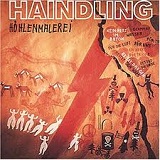
About Haindling
Haindling is a German blues group formed in 1983 that carved out a distinctive niche by infusing traditional American blues with Bavarian folk sensibilities and German lyrical storytelling. Their sound blends harmonica-driven blues progressions with accordion flourishes and regional dialects, creating a uniquely Germanic take on the genre that feels both rootsy and rebellious. Songs like "Im Zwiebelsud" and "Telefon" showcase their ability to tackle everyday German experiences through a blues lens, while tracks like "Ich Habe Sehnsucht" reveal a deeper melancholic streak that resonates with post-war German identity. Their two albums, "Höhlenmalerei" and "Weiss," document a band unafraid to experiment within blues conventions, incorporating elements of cabaret and folk music that reflect Germany's complex cultural landscape. What makes Haindling particularly distinctive is their refusal to simply imitate American blues masters-instead, they created a sound that speaks directly to German working-class experiences while maintaining the emotional honesty that defines great blues music. Though their catalog remains compact at 13 songs, tracks like "Es Geht Wieder Auf!" and "Hallo Mein Freund!" demonstrate their evolution from regional curiosity to a band that helped establish a uniquely German blues tradition. Their cultural impact lies in proving that the blues could be authentically translated across linguistic and cultural boundaries without losing its essential soul.