I can't sleep at night
I can't eat a bite
'Cause the man I love
He don't treat me right
He makes me feel so blue
I don't know what to do
Sometimes I sit and sigh
And then begin to cry
'Cause my best friend said he's left her behind
There's a change in the ocean
A change in the deep blue sea, my baby
I tell you folks there ain't no changing me
My love for that man will always be
Now I've got the crazy blues
Since my baby went away
I ain't got no time to lose
I must find him today
Now the doctor told her she'll walk that he cared
But what she's gonna need is off the table, man
I ain't had nothing but bad news
Now I've got the crazy blues
Now I can read his letters
I sure can read his mind
I thought his love in me, he's leaving all the time
Now it seems I'm caught up on the line
I went to the railroad, banged my head on the track
Told about my daddy, I planned to snatch him back
Now I've been caught and gave me the sack
Now I've got the crazy blues
Since my baby went away
I ain't had no time to lose
I must find him today
I'm gonna do like a China man, throw his kids some hock
Get myself a gun and shoot myself a cock
I ain't had nothing but bad news
Now I've got the crazy blues
About This Song
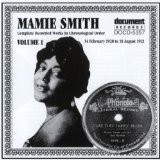
"Crazy Blues" is a groundbreaking lament that captures the raw emotional devastation of romantic abandonment through the lens of a woman's unshakeable devotion. The song explores the psychological torment of loving someone who has withdrawn their affection, manifesting in physical symptoms like insomnia and loss of appetite that reflect the deep interconnection between emotional and bodily suffering. Smith's delivery transforms personal anguish into a universal statement about the persistence of love even in the face of betrayal, with the central metaphor of oceanic change emphasizing how external circumstances shift while her feelings remain constant as bedrock. Musically, the track features a relatively simple but emotionally charged arrangement that allows Smith's powerful, theatrical vocal style to dominate, blending elements of vaudeville performance with the emerging blues idiom. The production captures the intimate yet dramatic quality that would define classic blues recordings, with instrumentation that supports rather than competes with the vocal narrative. "Crazy Blues" resonated with listeners because it articulated the specific experience of Black women's romantic struggles while speaking to universal themes of unrequited love and emotional resilience. Released in 1920, it became one of the first major commercial successes by a Black female artist, proving that there was a substantial market for authentic blues expression and helping to establish the template for female blues performance that would influence generations of artists.
Comments (0)