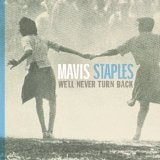
We shall not, we shall not be moved
We shall not, we shall not be moved
Like a tree that's planted by the water
We shall not be moved
We shall not, we shall not be moved
We shall not, we shall not be moved
Like a tree that's planted by the water
We shall not be moved
The union is behind us, we shall not be moved
The union is behind us, we shall not be moved
Just like a tree that's planted by the water
We shall not be moved
We're fighting for our freedom, we shall not be moved
Fighting for our freedom, we shall not be moved
Like a tree that's planted by the water
We shall not be moved
Fighting for our children, we shall not be moved
We're fighting for our children, we shall not be moved
Like a tree that's planted by the water
We shall not be moved
Black and white together, we shall not be moved
Black and white together, we shall not be moved
Just like a tree that's planted by the water
We shall not be moved, oh
We shall not, we shall not be moved
We shall not, we shall not be moved
Just like a tree that's planted by the water
We shall not be moved
Well, now, we, we shall not, we shall not be moved
Oh, we shall not, we shall not be moved
Just like a tree that's planted by the water
We shall not be moved
Woah, we shall not be moved
We shall not, we shall not be moved
Like a tree that's planted by the water
We shall not be moved
About This Song
"We Shall Not Be Moved" is a powerful civil rights anthem that transforms a traditional spiritual into a declaration of unwavering resistance against oppression and injustice. Mavis Staples delivers the song with her signature gospel-blues vocal power, using the metaphor of a tree planted by water to symbolize the deep-rooted strength and immovable determination of the freedom movement. The lyrics weave together themes of union solidarity, the fight for freedom, and collective resilience, with the repetitive structure creating a hypnotic, prayer-like quality that builds emotional intensity. Staples' soulful interpretation connects the song's spiritual origins to the concrete struggles of the civil rights era, making it both a protest song and a source of spiritual fortification. The track exemplifies how gospel music became the backbone of the movement, providing both comfort and courage to those fighting for equality.
Comments (0)