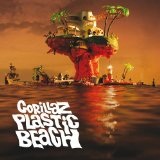
Up on Melancholy Hill
There's a plastic tree.
Are you here with me?
Just looking out on the day
Of another dream,
Where you can't get what you want
But you can get me.
So let's set out to sea
'Cause you are my medicine
When you're close to me,
When you're close to me.
So call in the submarines
'Round the world we'll go.
Does anybody know love?
If we're looking out on the day
Of another dream.
If you can't get what you want
Then come with me.
Up on Melancholy Hill
Sits a manatee, love.
Just looking out for the day
When you're close to me,
When you're close to me...
... when you're close to me.
About This Song
"On Melancholy Hill" is a wistful meditation on love as refuge in an increasingly artificial and disconnected world. The song captures the paradox of finding genuine human connection amid environmental decay and digital isolation, with the "plastic tree" serving as a potent metaphor for how synthetic experiences have replaced authentic ones. Damon Albarn's vulnerable vocals float over a dreamy, nostalgic soundscape that blends electronic elements with organic instrumentation, creating an atmosphere that feels both futuristic and deeply melancholic. The recurring question "Are you here with me?" reveals the protagonist's desperate need for reassurance that their connection is real, not just another illusion in a world of simulated experiences. The maritime imagery-submarines, setting out to sea-suggests both escape and exploration, as if love becomes the vessel for navigating an uncertain reality. The manatee, a gentle endangered creature, symbolizes the fragile beauty that still exists but requires protection in our damaged ecosystem. Musically, the track exemplifies Gorillaz's ability to craft pop melodies that carry profound emotional weight, with its lush production creating a sonic cocoon that mirrors the song's themes of seeking shelter in intimacy. The song resonated deeply with listeners who recognized their own struggles with authenticity and connection in the digital age, offering love as both medicine and anchor in turbulent times. Its enduring appeal lies in how it transforms environmental and existential anxiety into something beautiful and hopeful, suggesting that human bonds can transcend even the most artificial landscapes.
Comments (77)